
Table of Contents
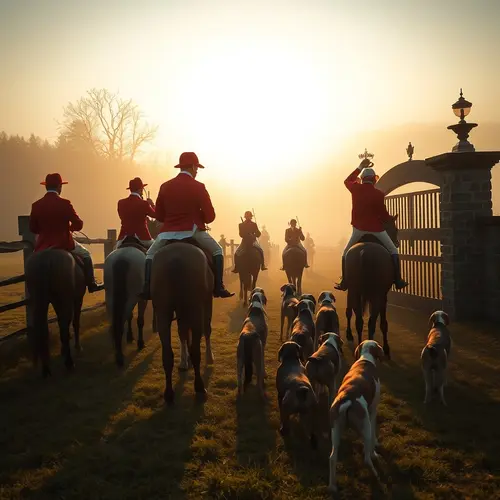
The far hills hunt stands as one of America’s most distinguished fox hunting organizations, representing over a century of equestrian tradition in the Somerset Hills region of New Jersey. This recognized hunt club offers members an authentic experience rooted in traditional foxhunting protocols while maintaining strong conservation ethics and land stewardship principles that define modern organized hunting.
Understanding The Far Hills Hunt Heritage and Foundation
Founded in the late 1800s, this institution emerged during the golden age of American foxhunting when wealthy landowners in New Jersey established formal hunt clubs modeled after British traditions. The club operates under the authority of the Masters of Foxhounds Association of America (MFHA), which governs recognized hunts across North America.
The organization maintains approximately 10,000 acres of hunting territory across Morris and Somerset counties. This expansive area includes private estates, preserved farmland, and protected open spaces where members ride to hounds following traditional hunting protocols.
Members participate in structured hunting seasons that align with MFHA guidelines. The formal season typically runs from early autumn through spring, with specific dates varying based on weather conditions and landowner permissions.
Hunt Structure and The Far Hills Hunt Operations
The club maintains a working pack of American foxhounds bred specifically for their scenting ability, stamina, and voice. The huntsman manages these hounds during field operations, while whippers-in assist with pack control and field management.
Membership Categories Within The Far Hills Hunt
The organization offers several membership tiers designed to accommodate varying levels of participation and commitment:
- Regular Members: Full hunting privileges with unlimited participation in scheduled meets
- Junior Members: Riders under 18 who demonstrate proper riding competency and field etiquette
- Associate Members: Limited participation rights, often chosen by individuals building experience
- Honorary Members: Recognition for significant contributions to the hunt or equestrian community
- Landowner Members: Property owners who grant hunting access across their estates
Field Protocol and Hunting Etiquette at The Far Hills Hunt
Participants must adhere to strict field protocol that governs positioning, pace, and behavior during hunts. The Field Master controls the mounted field and makes tactical decisions about routes and jumps based on terrain conditions and hound work.
Riders wear traditional hunt attire including scarlet coats (for those who have earned hunt colors), black or navy coats for others, white breeches, tall boots, and protective headgear meeting current safety standards approved by organizations like the American Society for Testing and Materials (ASTM).
| Hunt Position | Responsibilities | Experience Required |
|---|---|---|
| Master of Foxhounds | Overall management, hound breeding, landowner relations | Extensive hunting experience, MFHA recognition |
| Huntsman | Direct hound management, hunting the pack | Professional certification, years of hound handling |
| Whipper-In | Pack assistance, field control, communications | Intermediate to advanced riding, hound knowledge |
| Field Master | Mounted field management, safety oversight | Advanced horsemanship, deep protocol understanding |
Conservation and Land Management Philosophy
Modern foxhunting organizations like this one prioritize wildlife conservation and habitat preservation. The club works directly with landowners to maintain hedgerows, woodlands, and open fields that support diverse ecosystems beyond just fox populations.
According to principles outlined by the MFHA, recognized hunts contribute significantly to rural land preservation by providing economic incentives for maintaining agricultural spaces against development pressure. Hunt clubs often partner with land trusts and conservation easement programs.
The quarry—red fox and occasionally coyote—maintains healthy population levels throughout the hunting territory. Field sports biologists note that organized hunting has minimal impact on overall fox populations, which are primarily regulated by available habitat and food sources rather than hunting pressure.
Practical Requirements for Prospective Members
Joining requires demonstrating competent horsemanship skills and understanding of field etiquette. Most applicants participate in capping (paying a daily fee to ride as a guest) before applying for membership.
Financial commitments include annual membership dues, capping fees, and maintaining a suitable mount. Members must also invest in proper attire and tack meeting hunt standards.
Horse Requirements and Preparation
Mounts must demonstrate fitness, soundness, and appropriate temperament for hunting work. Horses should comfortably gallop across varied terrain, navigate obstacles including coops and natural jumps, and remain controllable in close proximity to other horses and hounds.
Preparation involves conditioning work building cardiovascular fitness and muscle strength. Experienced hunt members recommend at least 60-90 days of progressive conditioning before the season opener.
Expert Perspective: Common Misconceptions About Hunt Clubs
A widespread myth suggests that foxhunting primarily focuses on catching foxes. This fundamentally misunderstands the sport’s nature. The chase itself—following hounds as they work scent across countryside—forms the core activity. Foxes typically escape into dens or outrun the pack, and modern American hunts rarely result in catches.
Another misconception involves exclusivity concerns. While hunt clubs maintain standards for horsemanship and behavior, many actively recruit new members and offer introductory programs. The sport benefits from fresh participation and diverse perspectives that strengthen land access relationships and community connections.
Seasonal Calendar and Hunt Activities
The season begins with cubbing (also called autumn hunting) when young hounds learn their work alongside experienced pack members. This preparatory phase uses shorter, less formal outings focusing on hound education rather than extended chases.
Formal hunting intensifies through late autumn and winter when scenting conditions typically improve. The club schedules regular meets throughout the week, accommodating both working professionals and daytime participants.
Spring hunting concludes the season as warmer temperatures and changing wildlife patterns make continued hunting impractical. The organization shifts focus to hound care, facility maintenance, and social activities including hunter paces and point-to-points.
Community Impact and Cultural Significance
The organization contributes substantially to local rural economies through land leases, agricultural preservation, and equestrian service industries. Hunt clubs support farriers, veterinarians, feed suppliers, and tack shops that depend on consistent equestrian activity.
The club maintains strong relationships with local communities through charitable activities, youth programs, and land conservation partnerships. These connections prove essential for maintaining hunting access across private properties in an increasingly developed region.
Hunt activities preserve traditional horsemanship skills and animal husbandry knowledge that might otherwise disappear from American equestrian culture. The sport demands practical skills in horse management, navigation, and countryside awareness that benefit participants across all riding disciplines.
Getting Started: Path to Participation
Interested individuals should first contact the hunt secretary to inquire about capping opportunities and guest policies. Most hunts welcome serious inquiries from competent riders who demonstrate genuine interest in learning field protocols.
Observing from a vehicle (car following) offers an excellent introduction for those uncertain about mounted participation. This allows prospective members to witness hunt operations, understand field dynamics, and assess personal interest before committing to membership.
Participating in hunt-sponsored clinics and educational programs provides structured learning about foxhunting traditions, hound work, and field etiquette. These programs often include practical exercises teaching proper positioning, hand signals, and emergency protocols.
For those committed to joining the far hills hunt, consistent participation as a capper builds relationships with existing members and demonstrates dedication to the sport. This gradual integration allows both the individual and the organization to assess compatibility before formal membership commitments.

John Oey is a senior sports writer at Blowers Racing covering NASCAR, drift, Olympics, and sports analytics. 7+ years, 180+ guides. Method: official rulebooks, historical archives, and statistical databases. Author of 1,750 sports guides since 2022.



More Stories
Ultimate Keeneland Race Track Location Guide
Ultimate Guide to Santa Anita Entries Saturday
Ultimate Guide to horse racing in november: Tips & Tactics