
Table of Contents
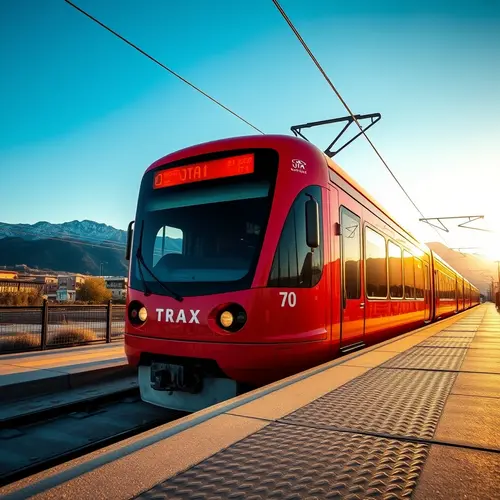
Finding the red trax schedule is essential for navigating the Salt Lake Valley efficiently. The Utah Transit Authority (UTA) operates the Red Line connecting the University of Utah to Daybreak in South Jordan, running seven days a week with varying headways.
Understanding the red trax schedule Basics
Service typically begins early morning and runs past midnight. Trains operate on a predictable clock-face timetable during peak hours, shifting to 15 or 30-minute intervals during off-peak times. Always verify the exact departure time via the official UTA Transit app or website before heading to the platform, as special events or maintenance windows can alter standard patterns.
Peak vs Off-Peak red trax schedule Frequency
Weekday rush hours see trains every 15 minutes on the core segment. Mid-day, evenings, and weekends generally move to a 30-minute headway. The “FrontRunner” connection at Central Pointe and Salt Lake Central stations is timed to minimize transfer wait times, a critical detail for commuters coming from Davis or Weber counties.
| Service Period | Typical Headway | First Train (Approx.) | Last Train (Approx.) |
|---|---|---|---|
| Weekday Peak | 15 Minutes | 4:30 AM | 11:30 PM |
| Weekday Off-Peak | 30 Minutes | 5:00 AM | 11:00 PM |
| Saturday | 30 Minutes | 6:00 AM | 11:00 PM |
| Sunday | 30 Minutes | 7:00 AM | 10:00 PM |
Riders should note that the red trax schedule distinguishes between the University Medical Center terminus and the Daybreak Parkway terminus. Not every train runs the full length of the line during low-demand periods; some short-turn at Fashion Place West or Central Pointe. Check the destination sign on the approaching train to avoid riding past your transfer point.
- Key Transfer Hubs: Central Pointe (S Line Streetcar, FrontRunner), Salt Lake Central (FrontRunner, Amtrak), Courthouse (Blue Line).
- Major Destinations: University of Utah, Stadium, Library, Gallivan Plaza, Ballpark, Fashion Place Mall, Daybreak.
- Fare Payment: Tap-on/tap-off with contactless card or UTA GoRide app; validators located on platform.
According to UTA planning documents, the Red Line carries over 20,000 average weekday boardings, making it the system’s busiest corridor. This volume drives the need for the frequent peak service shown above. Planners use automatic passenger counters (APC) to adjust the red trax schedule quarterly, matching capacity to actual load factors rather than static estimates.
Expert Insight: A common mistake visitors make is assuming the train holds for a delayed FrontRunner arrival. In practice, light rail departs on the published minute. If your commuter train is running five minutes late, the connecting TRAX train is likely gone. Build a 10-minute buffer into your connection window at Salt Lake Central or Central Pointe. I have seen countless riders stranded on the platform watching the taillights disappear because they relied on a “guaranteed transfer” that does not exist in the operational rulebook.
Real-time tracking via the Transit app or UTA’s own tracker uses GPS pings from the train fleet. This is far more reliable than a printed PDF timetable. Save the specific stop ID for your regular boarding location—usually a five-digit code posted on the shelter—to pull instant predictions without searching the full system map.
Mastering the red trax schedule transforms the train from a backup plan into a primary mobility tool across the Wasatch Front. Combine the published timetable with live tracking alerts, respect the peak/off-peak frequency shifts, and always confirm the destination header on the lead car.

John Oey is a senior sports writer at Blowers Racing covering NASCAR, drift, Olympics, and sports analytics. 7+ years, 180+ guides. Method: official rulebooks, historical archives, and statistical databases. Author of 1,750 sports guides since 2022.


More Stories
Ultimate Keeneland Race Track Location Guide
Ultimate Guide to Santa Anita Entries Saturday
Ultimate Guide to horse racing in november: Tips & Tactics