
Table of Contents
Greatest Switch Hitters In MLB History shapes how fans plan, watch, and enjoy the sport, and the details below explain what matters most. This topic is worth understanding before you commit time or money, so use this guide as a practical starting point.
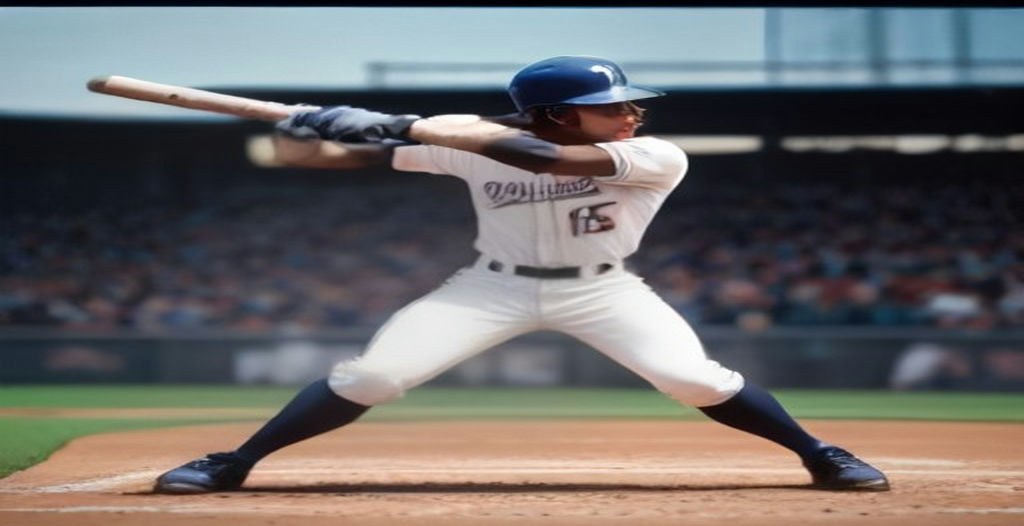
In sports, there might be nothing more difficult than hitting a baseball, which is why the best switch hitters of all time deserve special recognition.
Not only can they hit the ball from their dominant side but the greatest switch hitters in baseball history can hit from both sides of the plate, which is even more challenging. It only seems fair to give them their due and acknowledge their special skills.
Best switch hitters of all time
But who is the greatest switch hitter ever? There are quite a few players who deserve consideration for that title. In fact, we decided to extend our list to the 10 greatest switch hitters in baseball history.
Even then, it wasn’t so easy to decide what hitters stand out from the pack. Nevertheless, here is our list of the 10 best switch hitters in MLB history.
10. Chili Davis
Chili Davis had a rather underrated career in the big leagues. He was a three-time all-star and also earned three World Series rings. More importantly, he was the first person born in Jamaica to reach the big leagues.
His 350 career home runs rank seventh all-time among switch hitters. There were also 11 occasions when Davis hit a home run from both sides of the plate in the same game, a feat that only four other switch hitters have matched or surpassed.
9. George Davis
George Davis is a true old-timer who played from 1890 to 1909. He was a versatile player who was primarily a shortstop but could play just about anywhere on the diamond.
He was also a switch hitter who batted .295 and had 2,665 career hits over his 20 seasons. In 1998, the Veterans Committee selected Davis to the Hall of Fame.
8. Bernie Williams
Bernie Williams was one of the most well-rounded outfielders of his day, batting .297 during his career and winning four Gold Gloves. Naturally, he was a switch hitter who could get it done on both sides of the plate, batting .292 left-handed and .308 right-handed.
He also showed more power from the right side, hitting 107 home runs as opposed to 180 home runs from the left side despite over twice as many at-bats as a left-handed hitter. During his peak years, Williams was an all-star in five straight seasons while also helping the Yankees to collect four World Series rings in a five-year span.
7. Tim Raines
While most people probably remember Tim Raines for his speed, he was also a great switch hitter who batted .294 over his career with over 2,600 career hits.
Keep in mind his career spanned four decades from 1979 to 2002. In his prime, Raines made seven straight All-Star Teams, and in 1986, he became just the third switch hitter to win the NL batting title.
Among switch hitters, Raines ranks among the top-five in runs and walks, as well as sixth in career hits among switch hitters.
6. Roberto Alomar
Before a rather steep decline late in his career, Roberto Alomar spent a decade as one of the best offensive and defensive hitters in baseball. He made 12 straight all-star appearances from 1990 to 2001 and retired with a career batting average of .300.
His splits are a little bit wider than some others, as he hit .314 from the left side and just .267 from the right side. But most big leaguers wouldn’t mind batting .267, much less doing so from their weaker side.
5. Pete Rose
There are very few things that Pete Rose didn’t do well, so it’s not a surprise that he was an excellent switch hitter. As everyone knows, he’s the all-time hit leader. Among switch hitters, Rose also owns the all-time record for most total bases, most doubles, most runs scored, and even most walks.
From the right side, he hit .292 with a .738 OPS, and from the left side, he hit .295 with a .766 OPS. It doesn’t get more balanced than that for a switch hitter. The only reason he doesn’t rank higher on our list of the best switch hitters of all time is that Rose didn’t hit for as much power as those ahead of him. However, his 4,256 career hits as a switch hitter help his case.
4. Carlos Beltran
The key with switch hitters is balance, and Carlos Beltran undoubtedly had that. As a right-handed hitter, he batted .280 with an OPS of .842 while he hit .279 with an OPS of .834 from the left side. It’s almost unfathomable to think of a player who could be so equally proficient from both sides of the plate.
On top of that, Beltran finished his career with over 2,700 hits and 435 home runs. He became just the fourth switch hitter to surpass the 400 home run plateau and the fourth switch hitter to rack up more than 1,500 RBIs. Beltran was also a nine-time all-star, even doing so in his 19th of 20 seasons, which also says a lot about him.
3. Chipper Jones
In his career, Chipper Jones was a .303 hitter, batting .294 from the right side and .303 from the left side. There was virtually no difference in his production regardless of whether he was facing a lefty or a righty, especially if he was facing the Mets, who he torched time and time again.
Among switch hitters, Jones is the only player to finish his career with at least 5,000 at-bats, a .300 average, a .400 on-base percentage, and a .500 slugging percentage.
He’s also the only switch hitter to hit over .300 in his career while also collecting at least 400 home runs. The eight-time all-star and first-ballot Hall of Famer finished his career with over 2,700 hits and 468 home runs. He’s also second all-time in RBIs among switch hitters.
2. Eddie Murray
As a hitter, Eddie Murray was consistent almost to the point of behind boring. There was little difference in his performance from either side of the plate. As a left-handed hitter, Murray hit .293 with an OPS of .860 while he hit .276 with an OPS of .785 from the right side.
His ability to hit from both sides of the plate helped to make Murray one of just seven players with over 500 home runs and over 3,000 hits. He’s simply one of the best overall hitters in baseball history, making the All-Star Team eight times and collecting more RBIs than any other player during the 1980s.
1. Mickey Mantle
There’s no doubt that Mickey Mantle belongs at the top of any list of the greatest switch hitters in baseball history.
Of course, he’s a 20-time all-star, three-time MVP, and one of the best offensive players in baseball history, so it’s not exactly a stretch to think he was the best switch-hitter ever. In fact, he’s the only Triple Crown winner who was a switch hitter.
There were rumors that he nearly gave up switch-hitting midway through his career because of a shoulder injury, but Mantle denied those rumors. As a right-handed batter, he hit .330 during his career, which was considerably better than his .281 average from the left side.
But hitting over .280 from both sides of the plate is no small feat. Plus, if it wasn’t for that shoulder injury hindering him late in his career, there’s no question Mantle would have finished his career hitting over .300.
Greatest Switch Hitters In MLB History: What Fans Should Know
Use official sources for the facts. League sites, event organizers, and primary records are the best places to confirm dates, rules, and results. That habit keeps your understanding of the subject accurate and current. One section focuses on Best switch hitters of all time, which is a useful place to start.
Preparation is the difference between a good day and a great one. Confirm what you need to bring, how early you should arrive, and what the official rules allow. A short checklist for the subject saves time and prevents avoidable stress.
The sections in this guide cover Best switch hitters of all time. Together they show how greatest switch hitters in MLB history fits into the wider picture and which details deserve the most attention.
Keep your plan flexible. Schedules, prices, and availability can change, so build in a little room for adjustments. Fans who stay flexible with greatest switch hitters in MLB history tend to handle delays and last-minute updates far better.
Look beyond the headline numbers. Context such as competition, era, and conditions changes how any result should be read. A balanced view of greatest switch hitters in MLB history gives you a stronger basis for comparison and debate.
Value matters as much as access. Compare ticket tiers, travel costs, and included benefits before you choose. Readers who treat greatest switch hitters in MLB history as part of a broader plan usually get more from the event than those who book on impulse.
Quick Checklist for Greatest Switch Hitters In MLB History
- Understanding greatest switch hitters in MLB history starts with knowing the schedule, the venue, and the audience it attracts.
- Fans who follow greatest switch hitters in MLB history closely usually track official updates before making plans.
- The best way to evaluate greatest switch hitters in MLB history is to compare value, access, and overall experience.
- Beginners can enjoy greatest switch hitters in MLB history by starting with a reliable source and a simple plan.
- Experienced fans often use the subject to decide which events are worth the trip.
Related Guides
For official rules, schedules, and updates, check www.mlb.com. It is the best place to confirm details before you plan your next trip.
What should fans know about this topic?
Greatest Switch Hitters In MLB History is easier to understand when you start with the schedule, venue, and audience. Check official sources for current details, compare the options that fit your budget, and plan ahead so the experience stays enjoyable from start to finish.
How can beginners get started?
Start with a reliable guide and a short checklist. Confirm dates, prices, and access rules first, then decide what matters most for your goals. Beginners who keep the plan simple usually avoid costly mistakes and enjoy the event more.
Why does it matter for fans?
It connects fans with the sport’s biggest moments and gives them a clear way to follow the action. Understanding the context, key names, and recent changes helps you judge what is worth watching, buying, or attending.

John Oey is a senior sports writer at Blowers Racing covering NASCAR, drift, Olympics, and sports analytics. 7+ years, 180+ guides. Method: official rulebooks, historical archives, and statistical databases. Author of 1,750 sports guides since 2022.



More Stories
Should NFL explore possible tampering by Dolphins with Tom Brady?
Commitment Breakdown: Four-star 2023 DB Michael Daugherty to LSU
Which teams come out of the Play-In?