
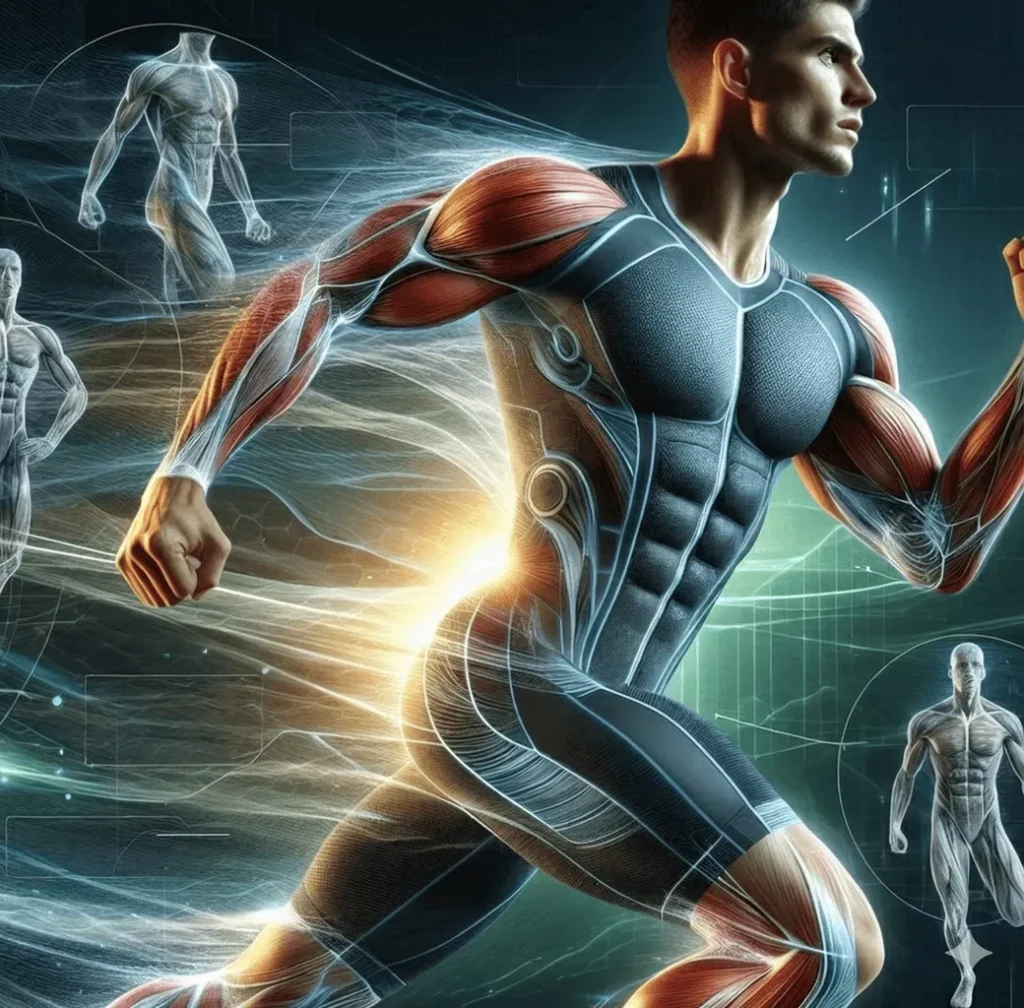
In the early days of sports medicine, Performance Compression Apparel – DFND USA were strictly functional, prescribed by doctors to help patients manage venous disorders or recover from surgeries. Today, the landscape of athletic apparel has been revolutionized by this same technology. From elite marathon runners to weekend gym warriors, compression clothing has become a staple of modern sports gear. While the tight fit might look like a fashion trend, it is deeply rooted in physiological science. By applying calculated pressure to specific parts of the body, these garments aim to enhance athletic performance, speed up recovery times, and reduce the risk of injury. Understanding the mechanisms behind this technology reveals why it has become an indispensable tool for athletes seeking a competitive edge.
The Physiology of Circulation and Oxygen Delivery
The primary mechanism behind compression clothing is its ability to improve blood circulation. During intense physical activity, the heart pumps oxygenated blood to the working muscles. As the muscles contract, they must also return deoxygenated blood and metabolic waste products, such as lactic acid, back to the heart and lungs. The pressure exerted by compression garments, which is highest at the extremities and gradually decreases toward the center of the body, mimics the natural muscular pump action.
This graduated compression helps prevent blood from pooling in the veins, a common issue known as venous stasis. By assisting the veins in fighting gravity, the garments increase the velocity of blood flow back to the heart. This efficient circulation ensures that muscles receive a steady supply of oxygenated blood during exercise, which can delay the onset of muscle fatigue. For athletes engaged in endurance activities, this improved oxygen delivery directly translates to sustained performance levels and enhanced stamina.
Muscle Stabilization and the Reduction of Oscillation
Another significant benefit of compression apparel is its ability to stabilize muscles during high-impact movement. When a runner’s foot strikes the ground, a shockwave travels up the leg, causing the muscles to vibrate or oscillate. While this vibration is a natural reaction to impact, excessive oscillation can lead to muscle fatigue and microscopic tears in the muscle fibers, resulting in soreness and reduced power output.
Compression clothing acts as a structural support system, hugging the muscles tightly and reducing this vibration. By keeping the muscles properly aligned and restricting excessive movement, the garments allow the body to work more efficiently. This reduction in muscle fatigue is often felt not just during exercise, but also in the days following, as athletes experience less soreness and stiffness. This stabilization is particularly beneficial for high-impact sports like running, basketball, and football, where the repeated force of impact can take a heavy toll on the muscular system.
Accelerated Recovery and Lactic Acid Clearance
The science behind compression clothing is perhaps most compelling when it comes to post-exercise recovery. After a strenuous workout, muscles are often inflamed and damaged, leading to delayed onset muscle soreness. The improved circulation provided by compression garments plays a crucial role in the recovery process by accelerating the removal of metabolic waste products, including lactic acid, from the muscle tissues.
Furthermore, the pressure helps reduce the buildup of fluid in the tissues, which is a major component of muscle swelling and soreness. By encouraging the lymphatic system to remove excess fluid and waste, compression garments can significantly reduce recovery time between training sessions. Athletes who utilize compression gear for recovery report lower levels of perceived soreness and are often able to return to high-intensity training faster than those who do not. This faster turnover is crucial for competitors who need to maintain a rigorous training schedule or perform multiple times within a short period.
Temperature Regulation and Environmental Factors
Finally, modern compression apparel is engineered with advanced fabrics that assist in temperature regulation. While the tight fit might seem like it would trap heat, technical compression gear is designed to be breathable and moisture-wicking. The fabric moves sweat away from the skin to the surface of the garment, where it can evaporate quickly, providing a cooling effect.
In cold weather, the compression garment acts as a base layer, trapping a thin layer of air against the skin to help maintain body heat without adding unnecessary bulk. This versatility allows athletes to remain comfortable and focused on their performance regardless of the environmental conditions. Proper temperature management prevents the body from wasting energy on cooling or heating itself, allowing that energy to be focused entirely on athletic output.
Conclusion
The adoption of compression clothing by athletes across all disciplines is not merely a trend, but a reflection of its scientifically validated benefits. By improving blood flow, stabilizing muscles, accelerating recovery, and enhancing body awareness, these garments offer a comprehensive approach to optimizing athletic performance. While they are not a replacement for proper training, nutrition, and rest, compression apparel serves as a powerful tool to help athletes reach their potential and maintain their longevity in sports. As textile technology continues to advance, the science behind these garments will only become more refined, further solidifying their place in the modern sporting landscape.

John Oey is a senior sports writer at Blowers Racing covering NASCAR, drift, Olympics, and sports analytics. 7+ years, 180+ guides. Method: official rulebooks, historical archives, and statistical databases. Author of 1,750 sports guides since 2022.


More Stories
The Best Way To Lose Belly Fat Pronto!
Etymology of ‘Martial Art’
Top 10 Horse Racing Sites